

At Far South Expeditions, we have spent nearly 30 years exploring the most remote corners of Chile and Patagonia, documenting their fascinating biodiversity. It is with great enthusiasm that we present a new offering: Hardcore Trips — expeditions specially designed to observe unique and elusive mammal and bird species found in this part of the Southern Hemisphere.
What Are Hardcore Trips?
These are not ordinary tours for casual travelers. They are intense, strategically planned expeditions focused on locating hard-to-find species in the Southern Hemisphere. Each itinerary is carefully crafted based on seasonal behavior, preferred habitats, and activity patterns of the target animals.
Expeditions for Those Who Seek More…
Some people travel to see landscapes. Others do so to add species to their life lists. But there are those who experience nature in a different way: with infinite patience, rising before dawn, walking silently for hours, enduring low temperatures, and observing every detail of the landscape, all in pursuit of encountering the rarest and most elusive animals in the wild.
These specialized expeditions are ideal for wildlife photographers, biologists, birdwatchers, naturalists, and anyone who truly enjoys nature.

An Intimate Experience in Small Groups
To ensure an intimate and respectful experience focused on deep observation, these expeditions take place in small groups, accompanied by expert guides and specialized naturalists who are intimately familiar not only with the terrain but also with the secrets of animal behavior.
Target Species – Mammals
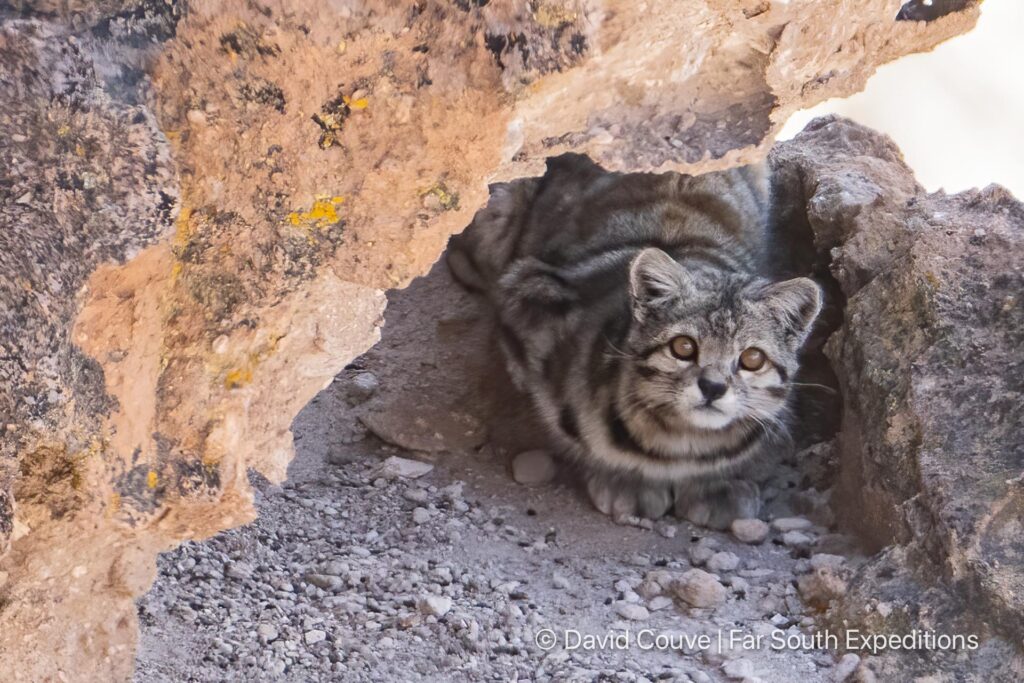
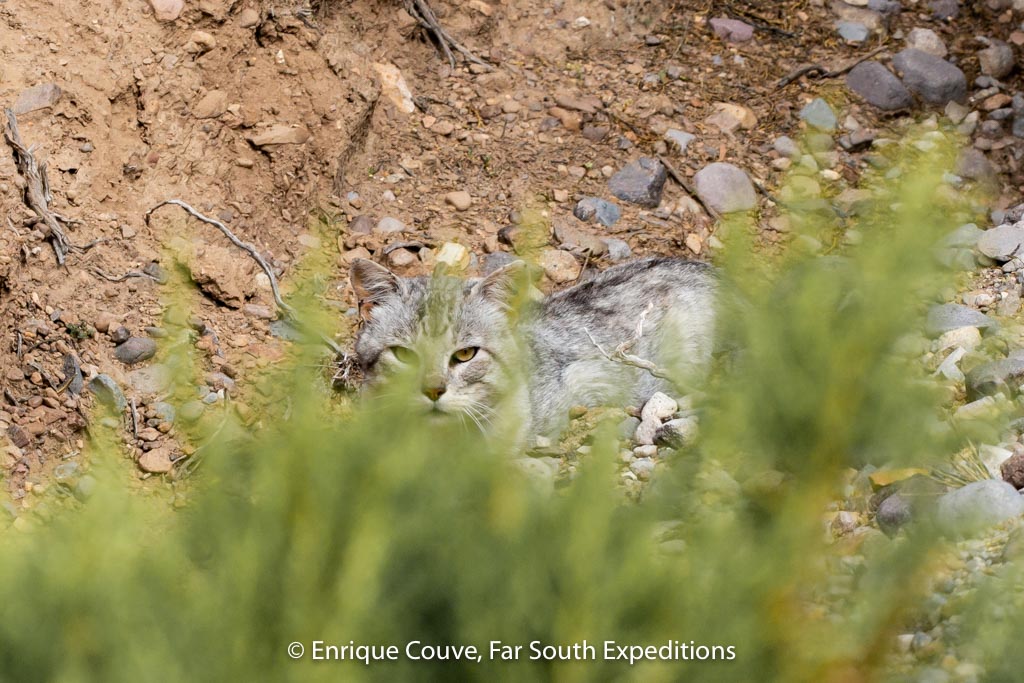
Andean Cat (Leopardus jacobita)
Inhabiting the extreme landscapes of the Altiplano at altitudes above 3,500 meters, this is one of the rarest felines on the planet. Spotting it requires great patience, thorough knowledge of the terrain, and often a bit of luck.
Pampas or Colocolo Cat (Leopardus colocolo)
Sharing habitat with the Andean cat but with different behavior and a wider distribution, this feline is still difficult to observe due to its nocturnal habits and excellent camouflage.
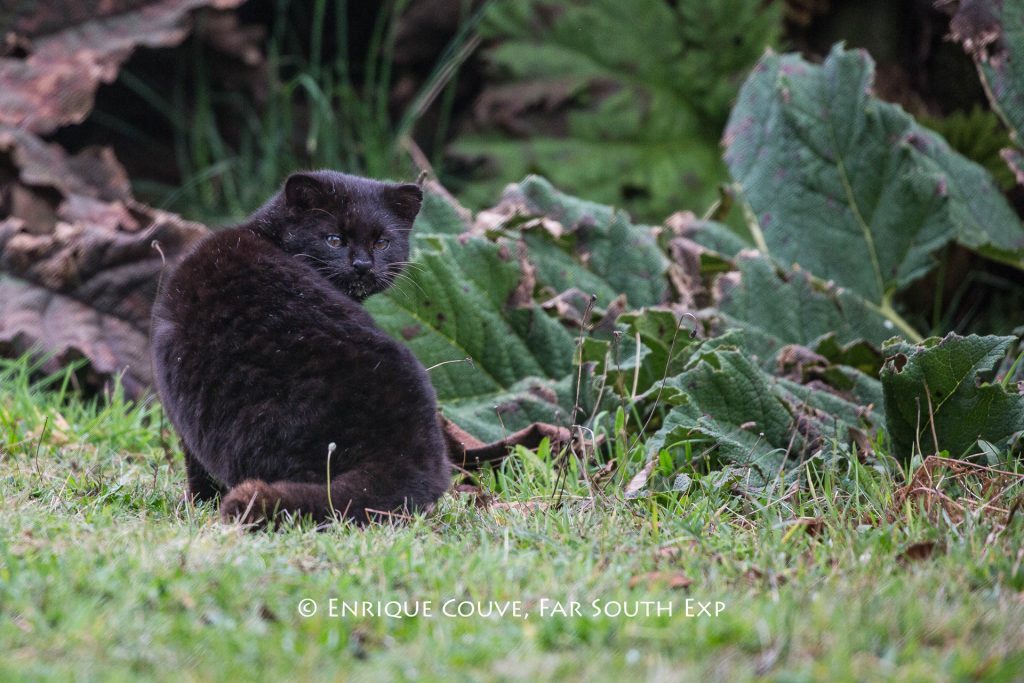
Kodkod (Leopardus guigna)
The smallest wild cat in the Americas, found in the temperate forests of southern Chile. In the native forests of Chiloé Island, where well-preserved woodlands remain, we venture quietly at dawn or dusk in hopes of spotting it.
Blue Whale (Balaenoptera musculus)
The largest animal on Earth is found in the inner seas of Chiloé, one of the Southern Hemisphere’s most important feeding grounds. Every austral summer, these ocean giants return to these nutrient-rich waters to feed. On board local vessels, following strict observation protocols, we observe and record their natural behavior.
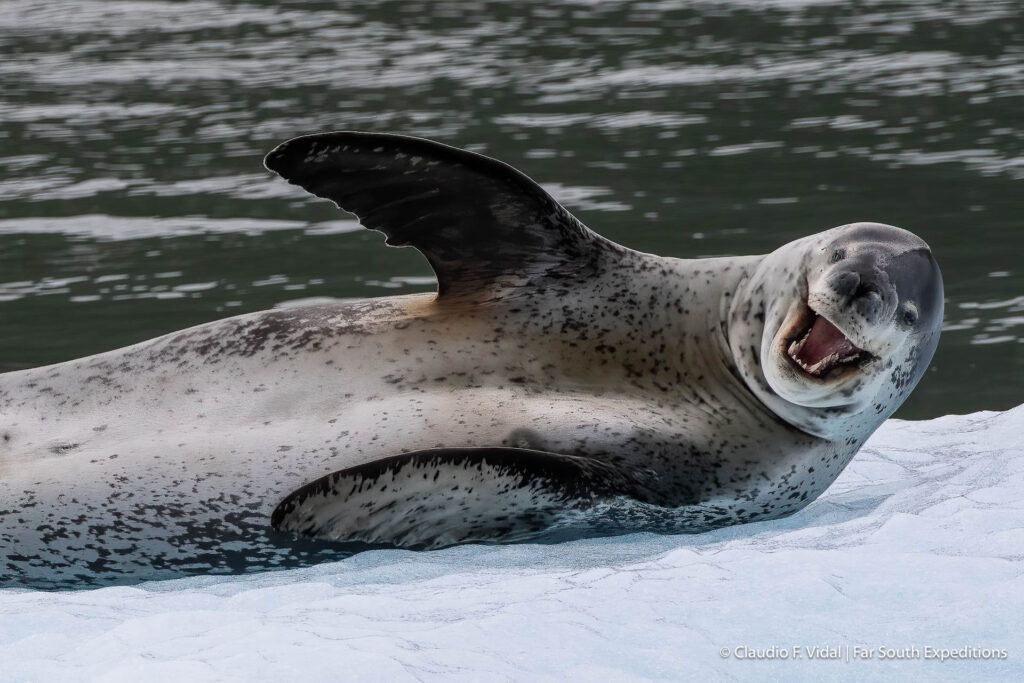
Leopard Seal (Hydrurga leptonyx)
We travel to the southern channels and the Strait of Magellan to seek out this top predator of the Southern Ocean, occasionally seen resting on ice floes.
Target Species – Birds
White-Bellied Seedsnipe (Attagis malouinus)
Adapted to the steppe climate, this species can be found near Punta Arenas, where its camouflage makes locating it a true test of observational skill.
Fuegian Snipe (Gallinago stricklandii)
An absolute rarity and extremely difficult to observe, this bird inhabits peat bogs and shrubby wetland areas around Cape Horn and the Magellan Strait. Its swift flight at dusk and remote habitat make it one of the most sought-after birds by advanced observers.
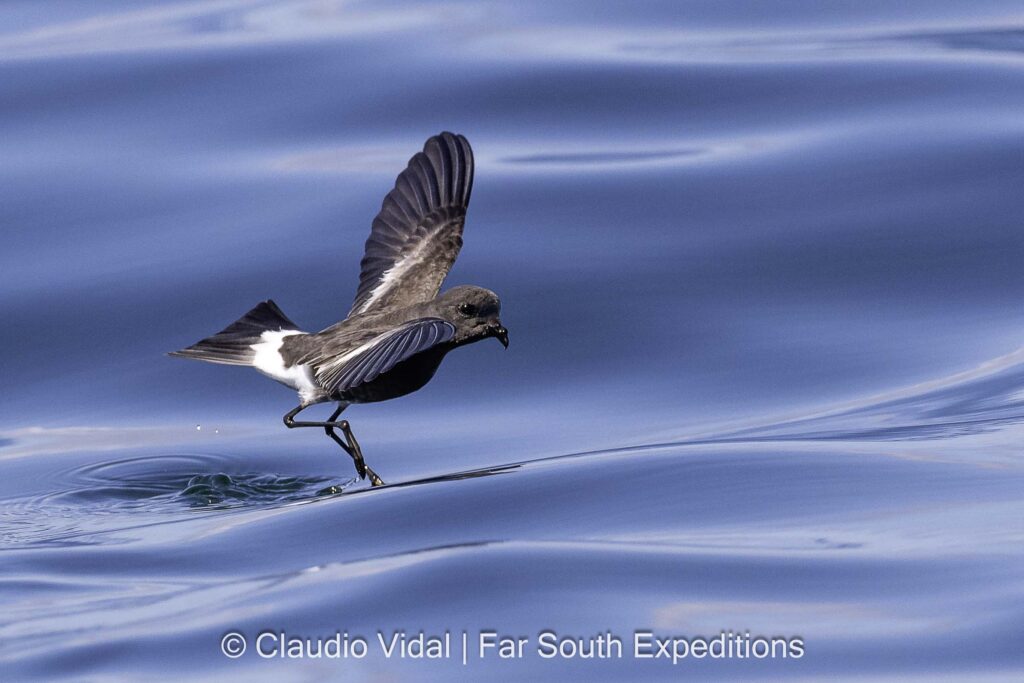
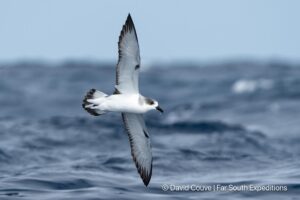
Pincoya Storm-Petrel (Oceanites pincoyae)
Recently recognized as a distinct species and endemic to Chile, this small seabird can be seen off the coast of Chiloé Island. Its coastal presence offers a rare opportunity for sightings from local boats.
Hooded Grebe (Podiceps gallardoi)
One of the most threatened birds in South America, endemic to remote lagoons in southern Argentina. The journey to its habitat is long, but the reward of seeing this charismatic and endangered species is immense.
Patagonian Tinamou (Tinamotis ingoufi)
Shy, stealthy, and perfectly camouflaged within the vegetation of Chilean Patagonia, this bird presents a constant challenge for the trained observer’s eye.
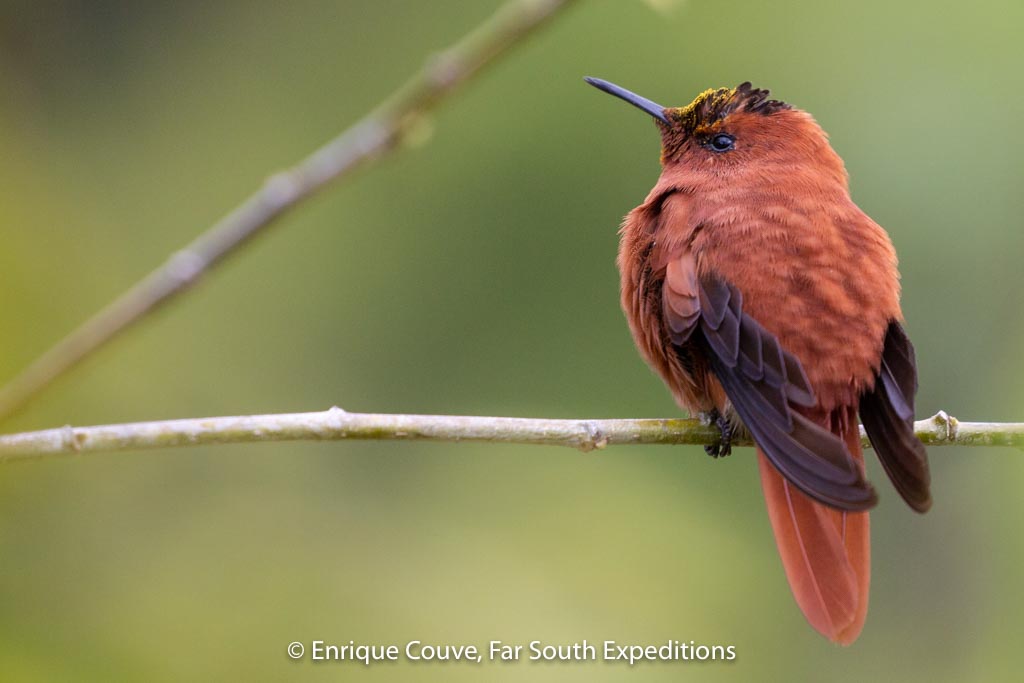
Juan Fernández Firecrown (Sephanoides fernandensis)
This jewel-toned hummingbird, with its striking reds and greens, is found exclusively on Robinson Crusoe Island in the Juan Fernández Archipelago. Its beauty and high level of endemism make it a conservation emblem.
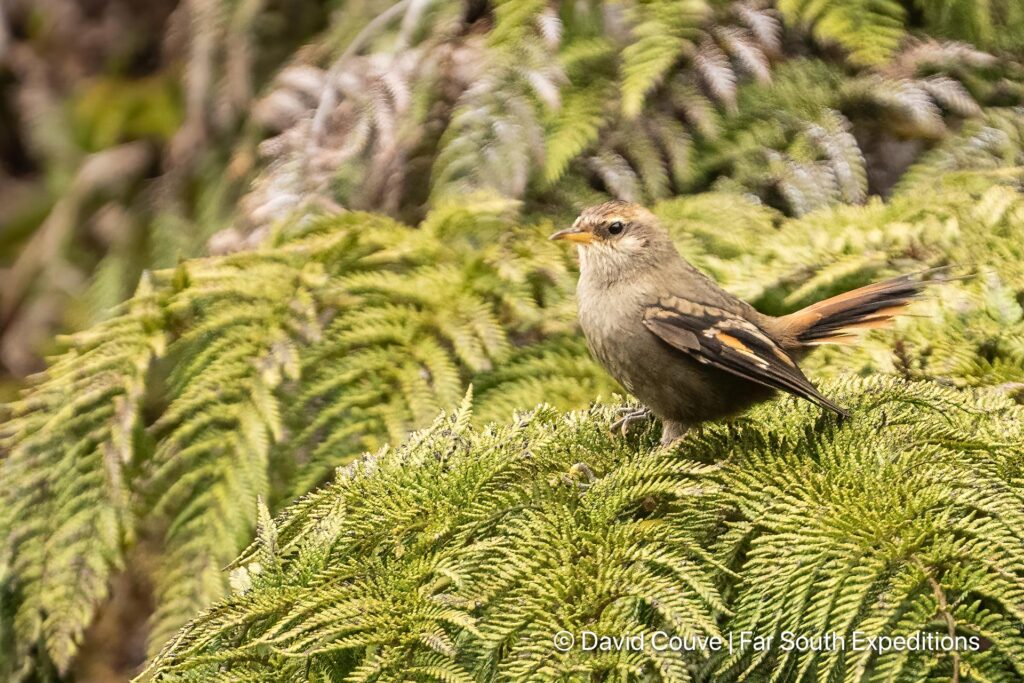
Masafuera Rayadito (Aphrastura masafuerae)
One of the world’s most endangered passerines, it is found only in the high-altitude forests of Alejandro Selkirk Island, also part of the Juan Fernández Archipelago.


Leave a Reply
Your email is safe with us.