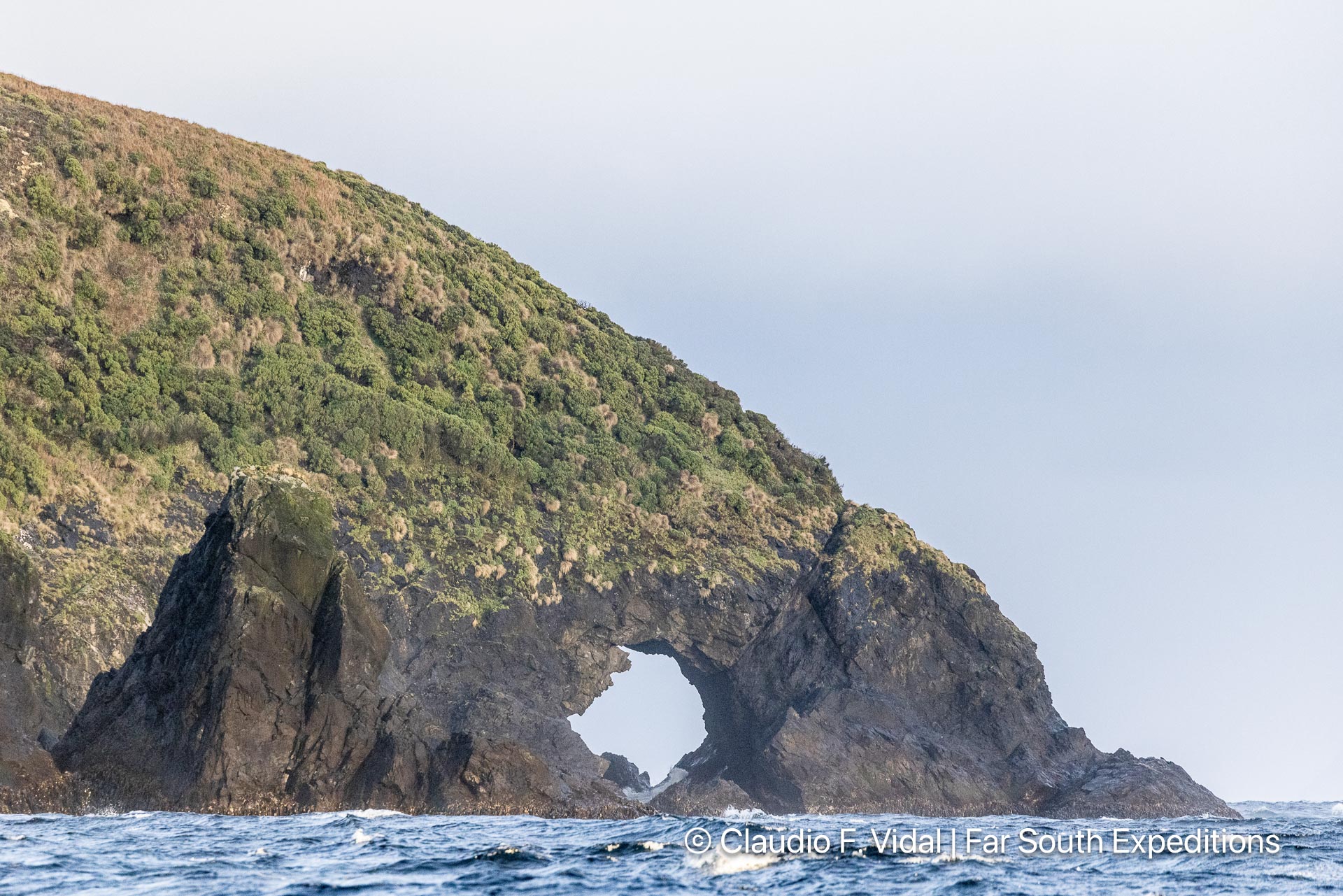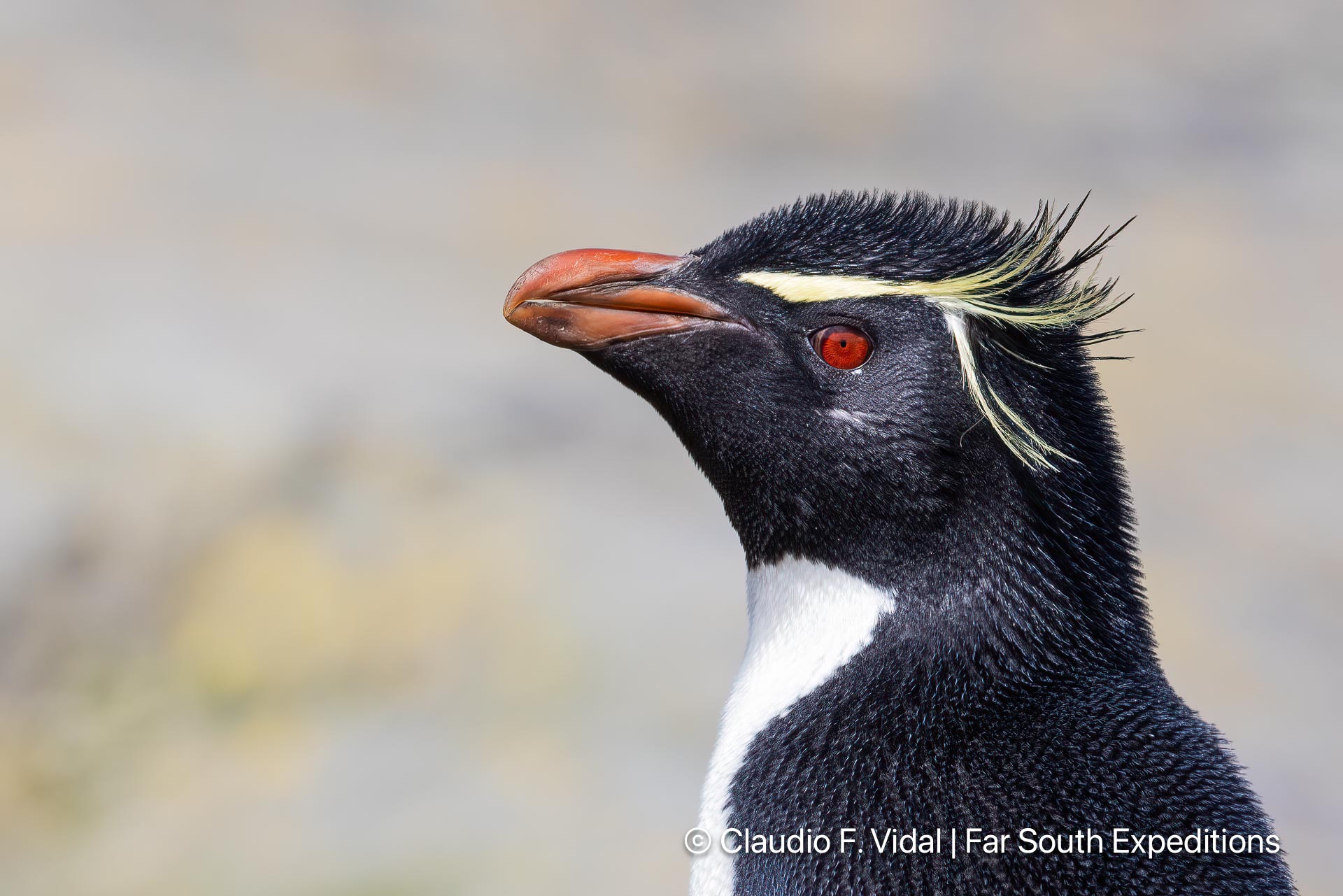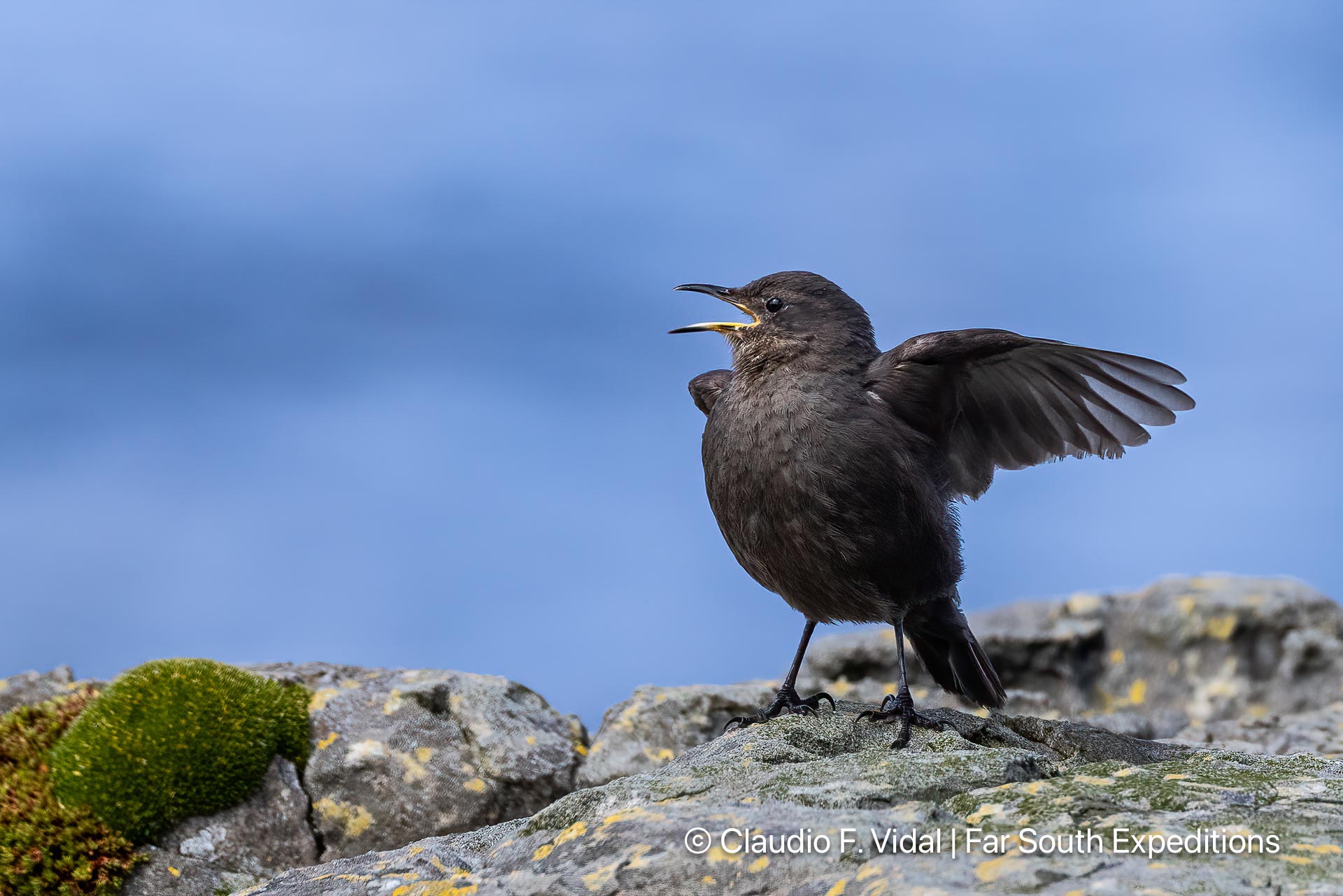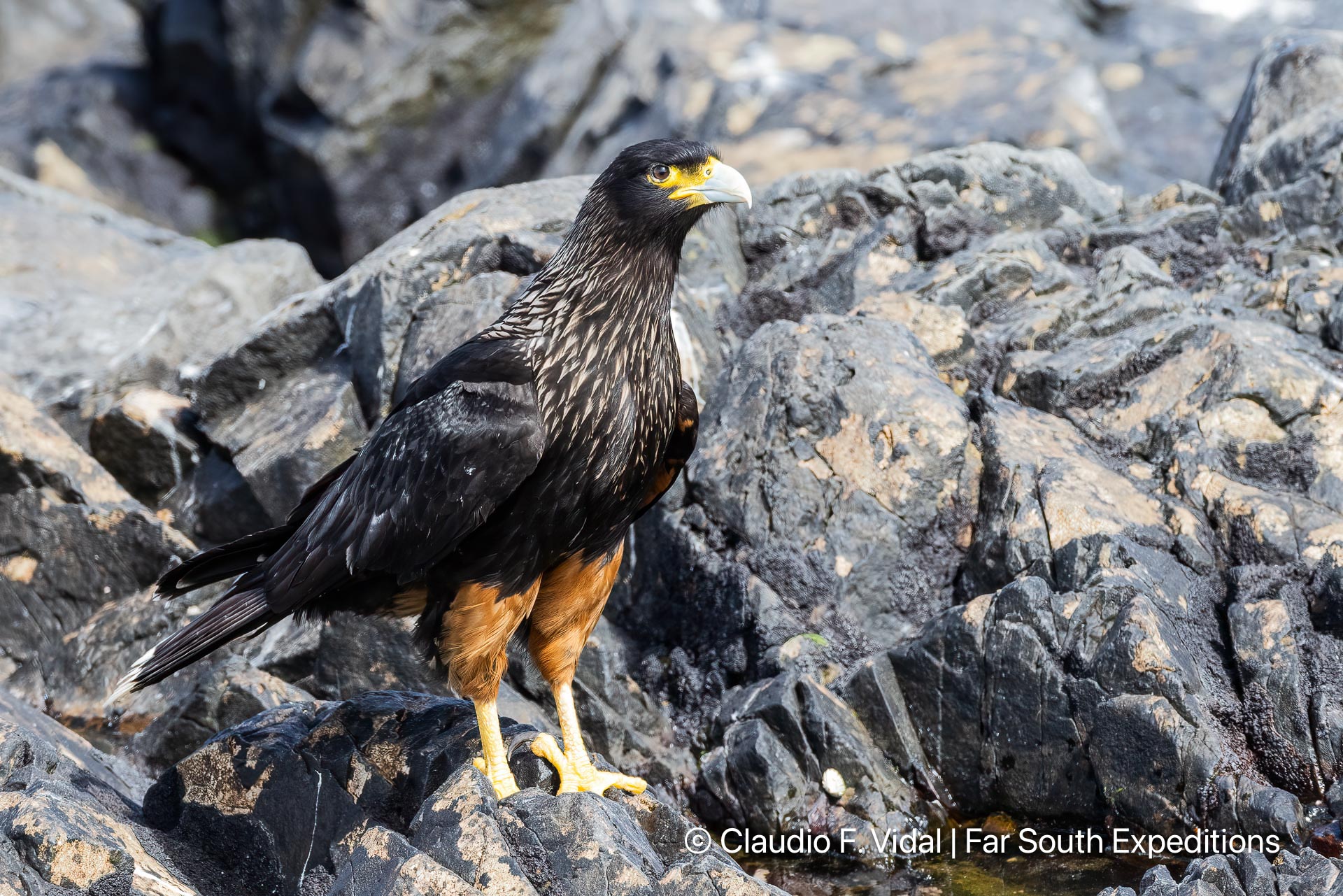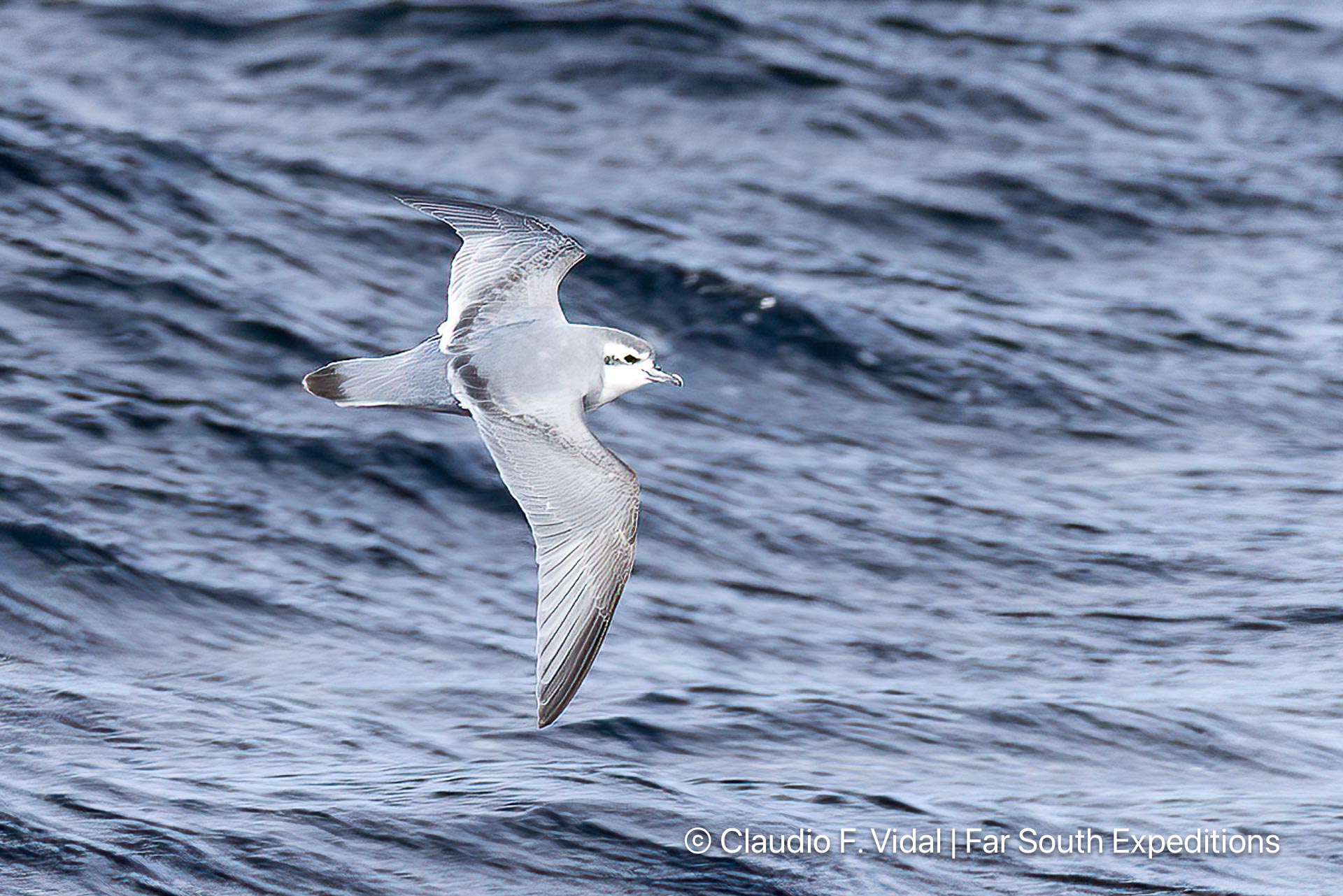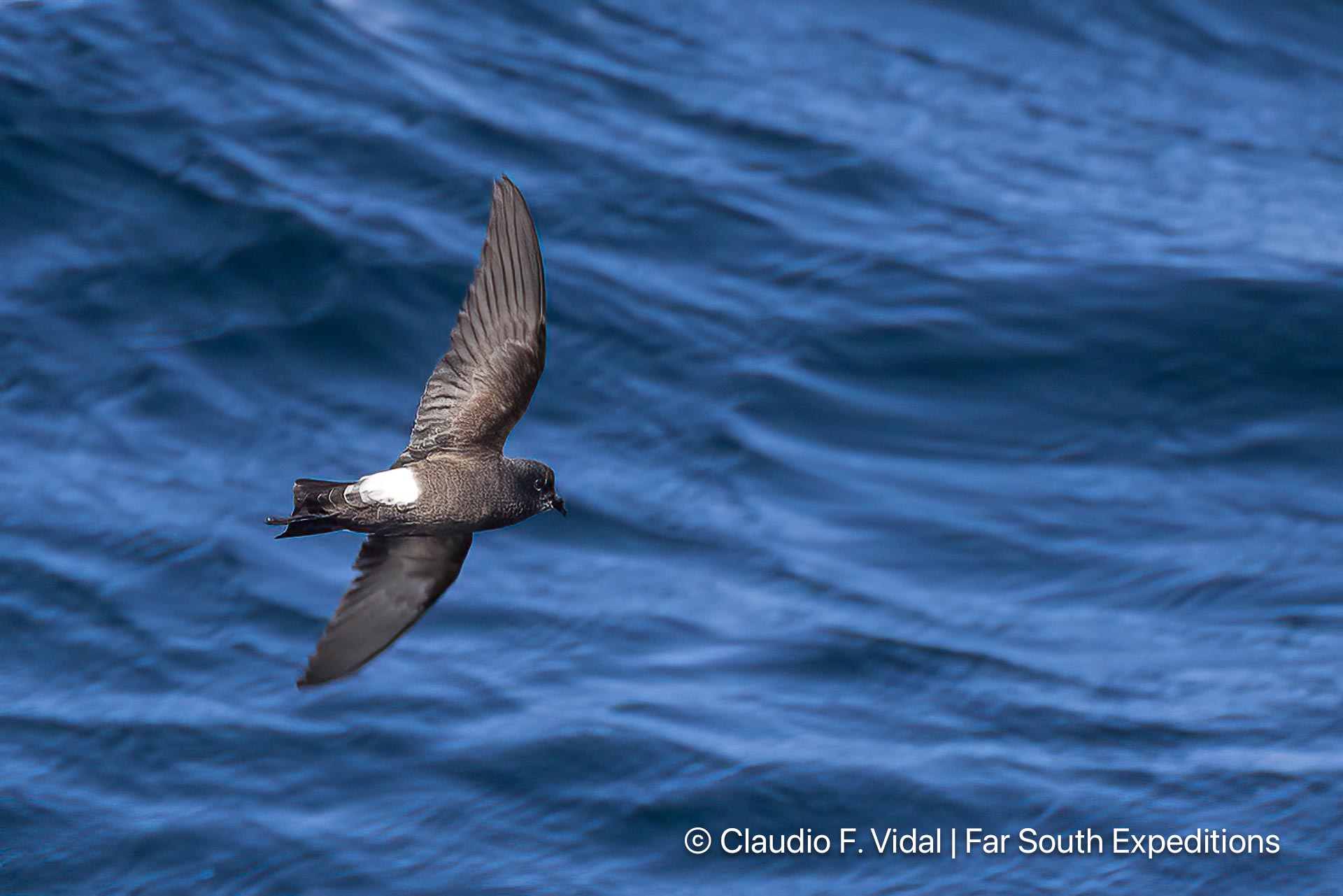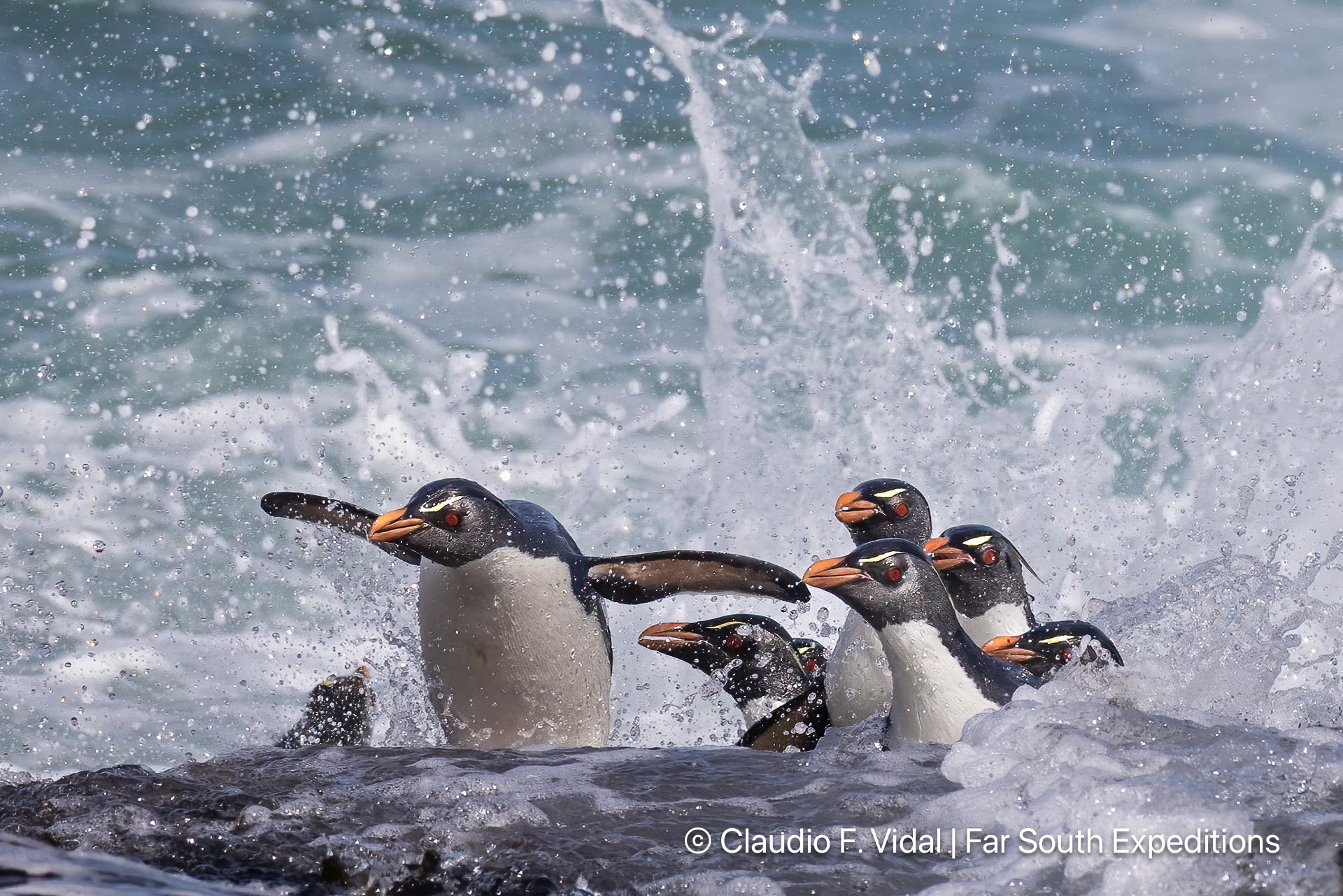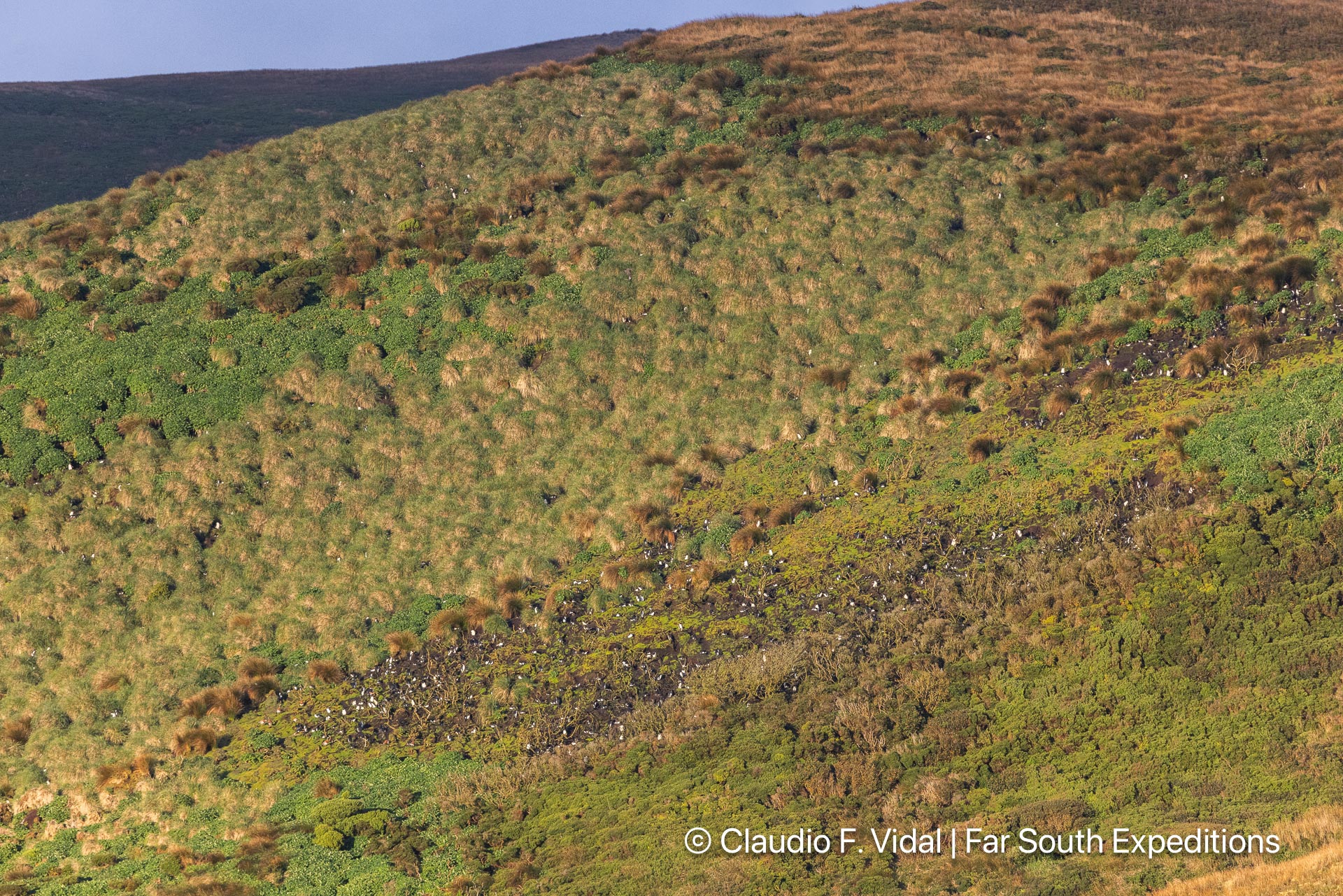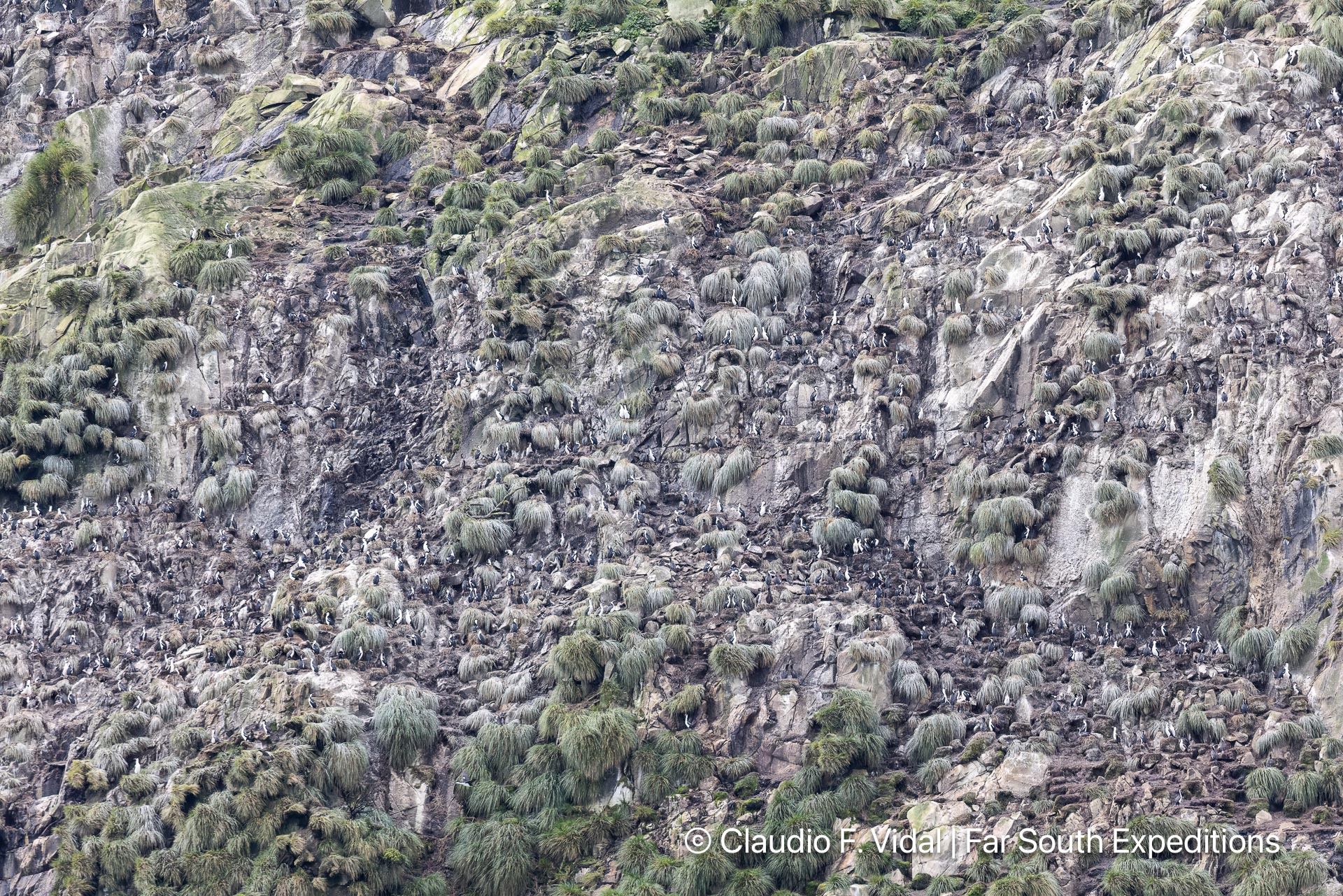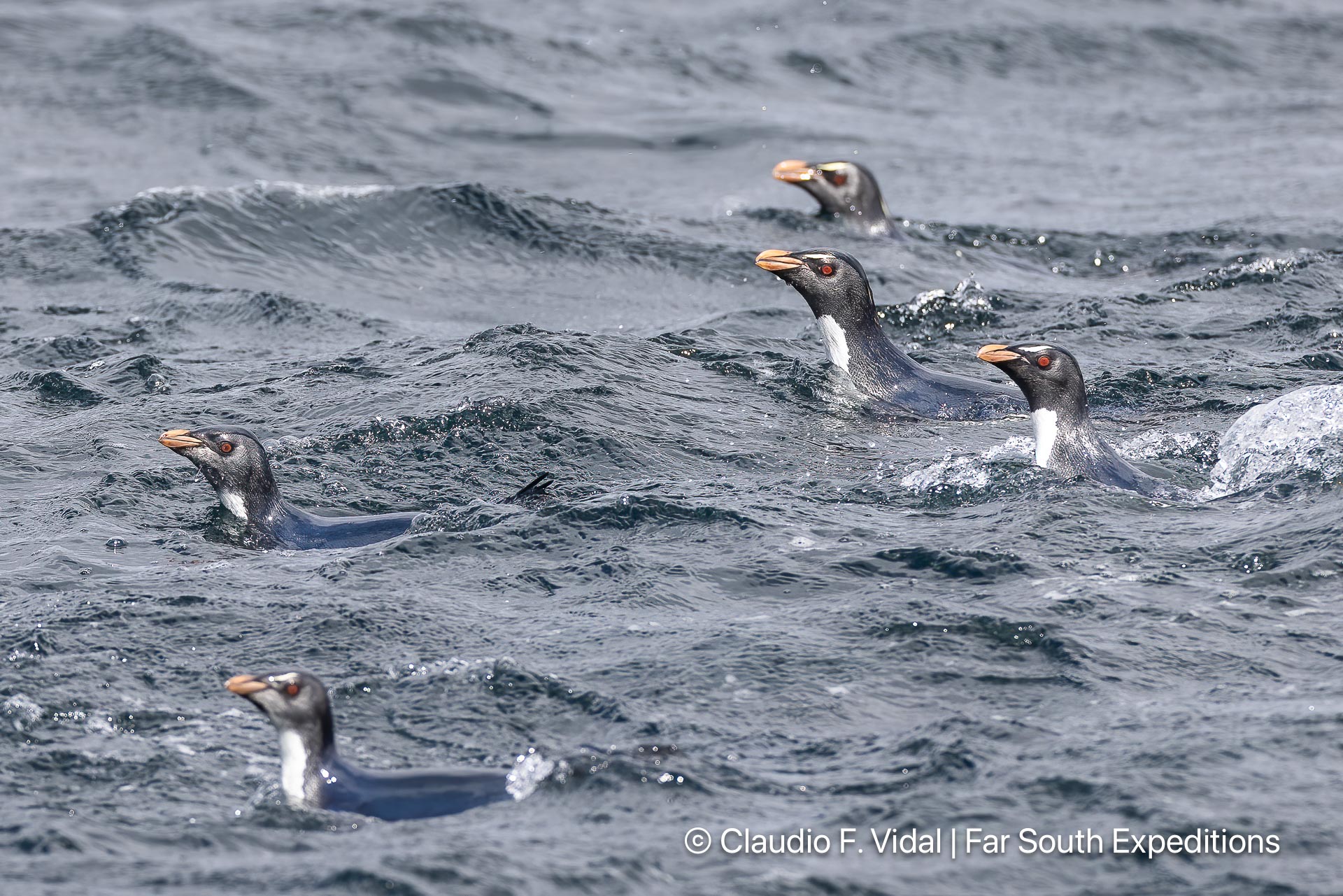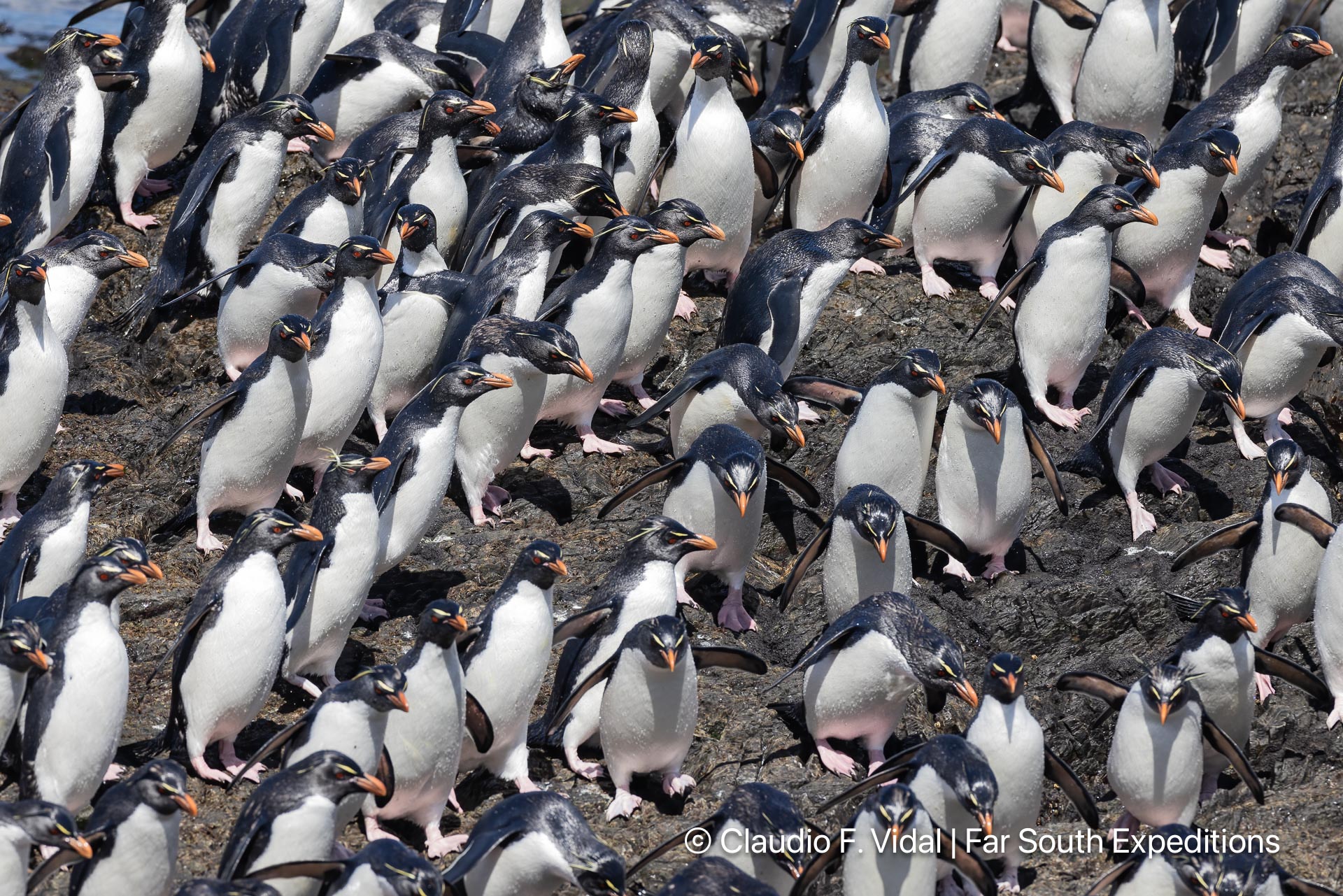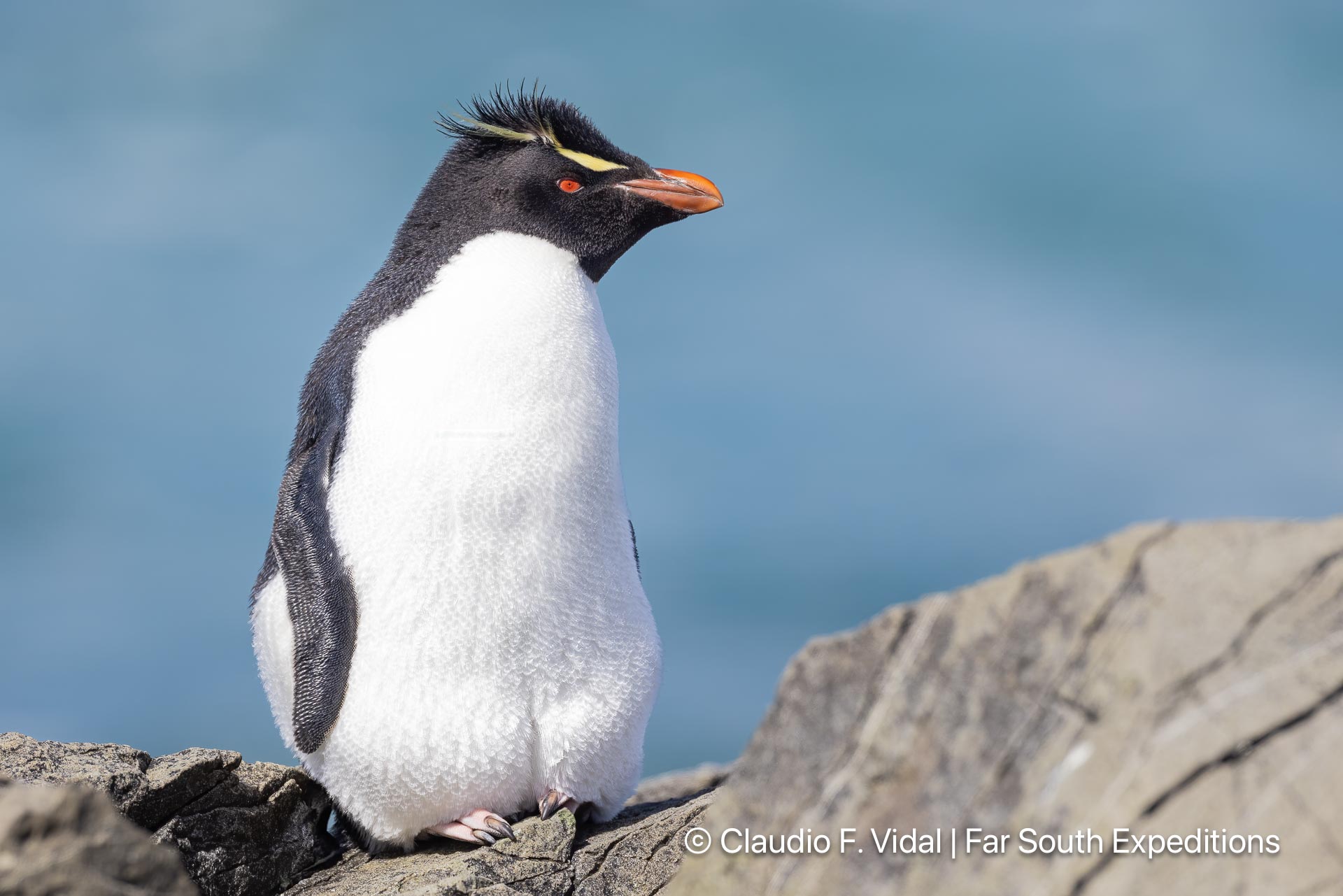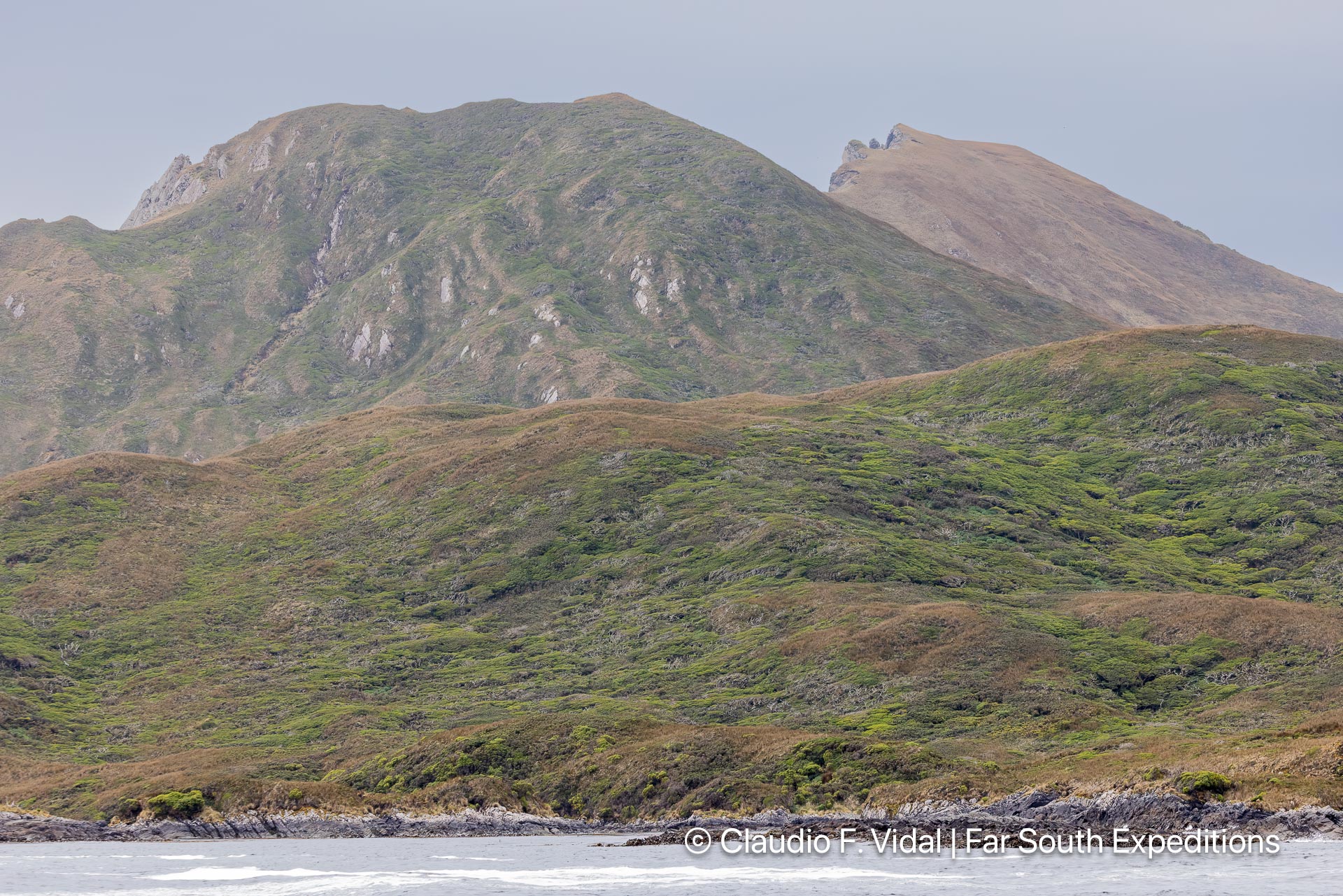


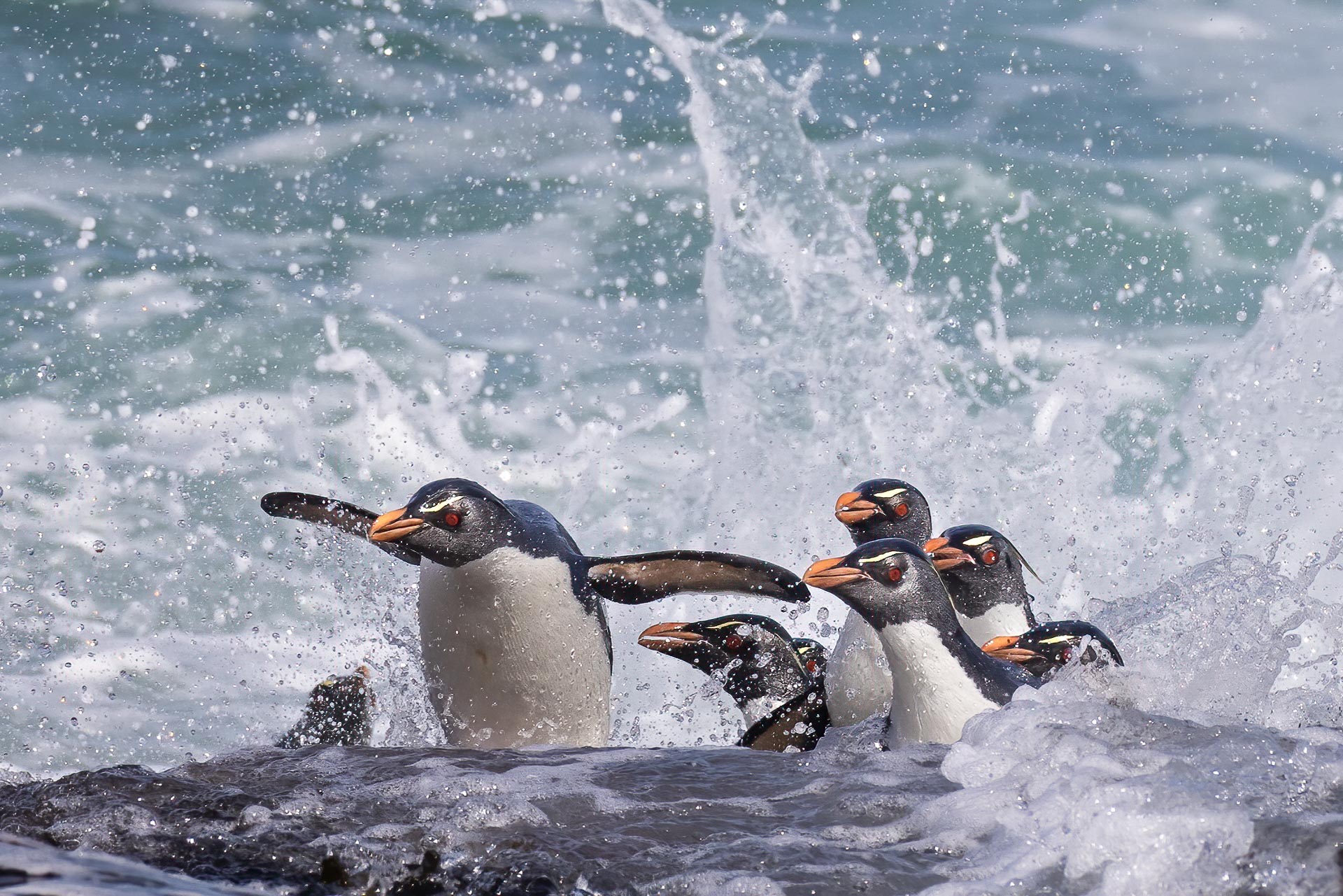
Lying at the edge of the western Patagonian archipelago in southern Chile, Noir Island remains one of the region’s most secluded and well-kept secrets. During the southern spring and summer, this wild and unforgiving island teems with an overwhelming abundance of wildlife. Literally thousands of Rockhopper, Macaroni, and Magellanic penguins seek out its suitable nesting grounds—an unusual mosaic of dwarf, entangled forest patches and steep slopes cloaked in dense tussock grasslands. A constant stream of penguins moves between their nests and the vast open ocean to nourish their offspring; in this hectic process, many fall prey to South American Sea Lions, opportunistic hunters lying in wait behind the large kelp fronds that line the shore. Southern Giant Petrels also breed here by the hundreds, patrolling the coast and interior for carcasses. Furthermore, Noir Island is a stronghold for the Slender-billed Prion; tens of thousands return to the tussock in the late evening alongside Sooty Shearwaters and Fuegian Storm-Petrels. The coastal grasslands offer exceptional opportunities to document sub-Antarctic specialties, including the inquisitive Striated Caracara and Blackish Cinclodes.
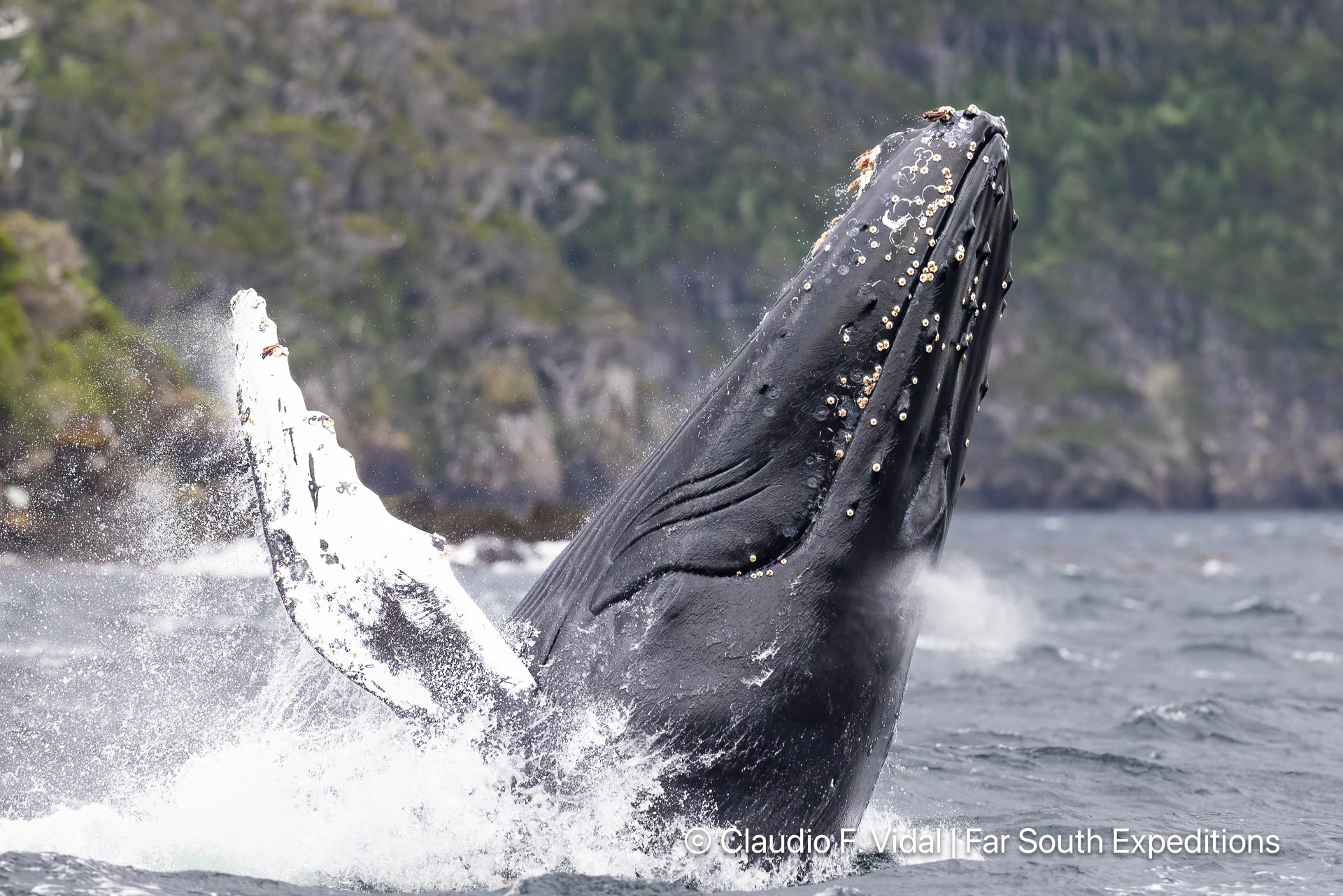
We will dedicate several days to exploring the sheltered reaches of the western archipelago in search of the rare and cryptic Fuegian Snipe, as well as other regional specialties like the Kelp Goose and Flightless Steamer-Duck. This area, protected within the Francisco Coloane Marine Park, is a premier location for whale-watching, with frequent sightings of Humpback and Sei whales, as well as Peale’s and Chilean dolphins.
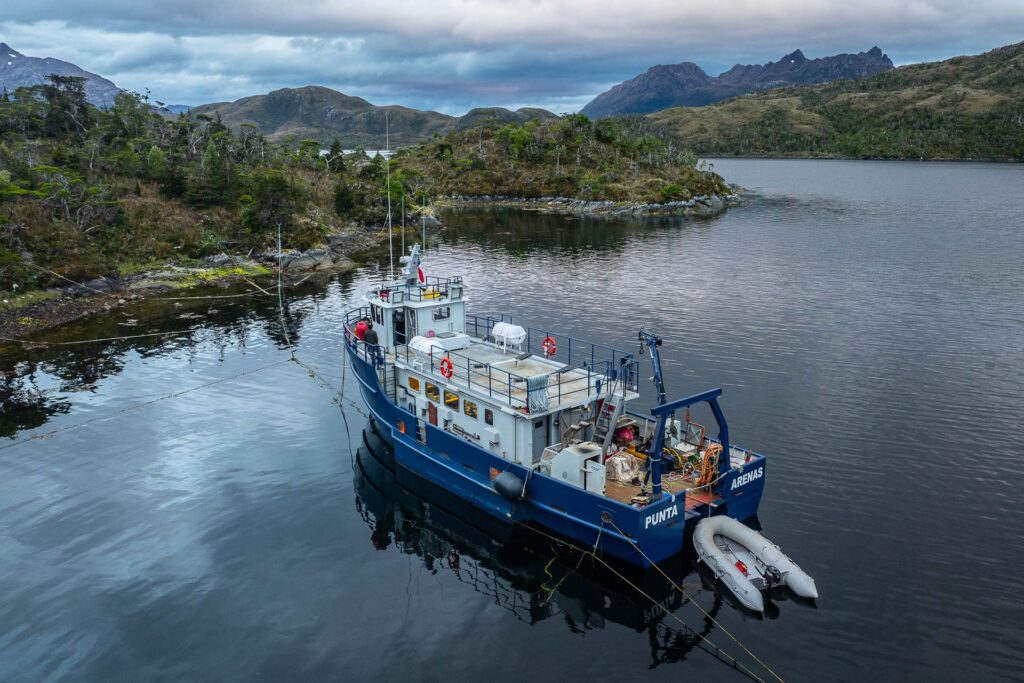
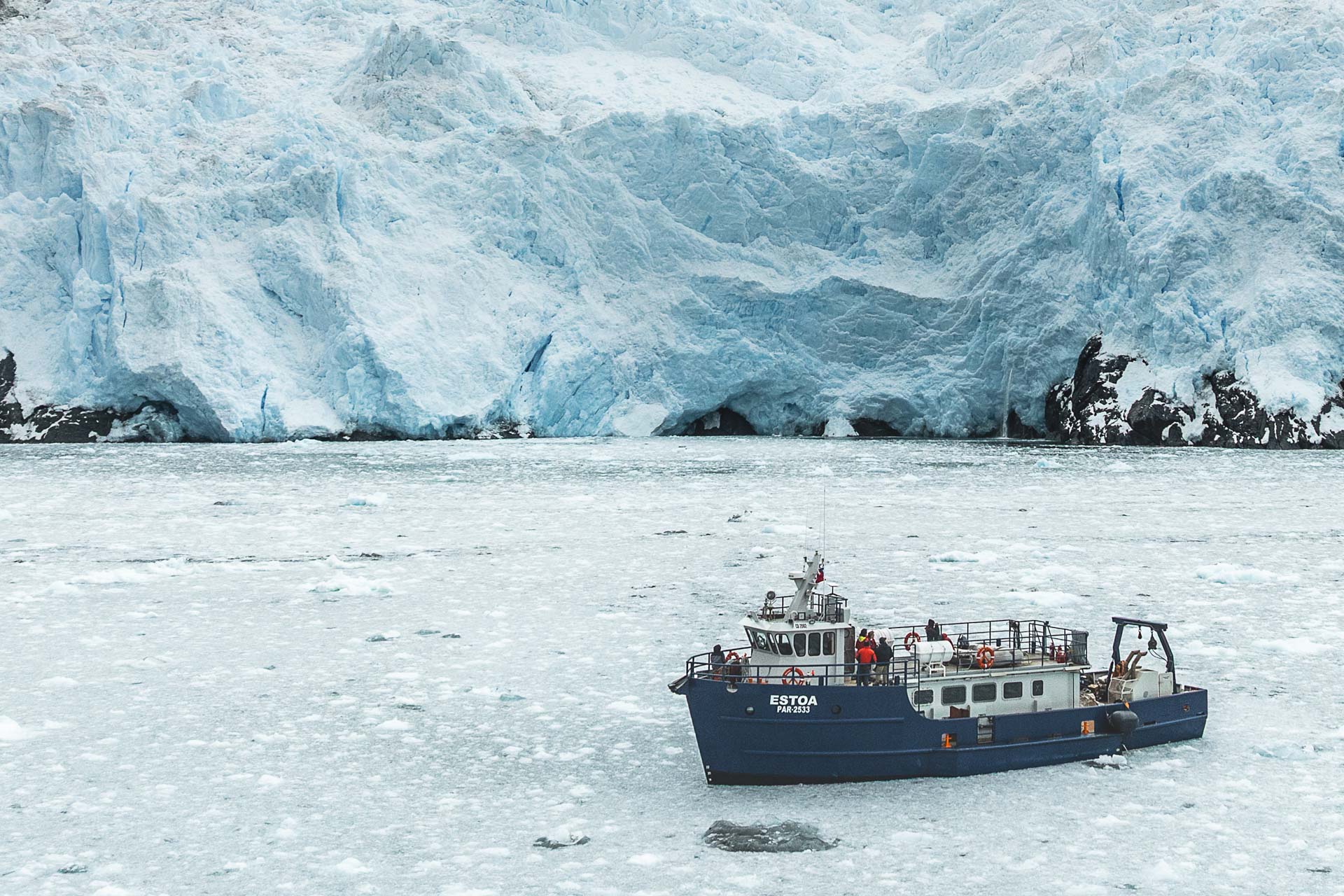
This true birding and photographic expedition is conducted aboard the M/V Estoa, a sturdy steel vessel specifically designed for the rugged conditions of the Patagonian fjords. Our small group of explorers will enjoy comfortable accommodations and shared facilities on this brand-new ship.